
Your guide to eye health, conditions and symptoms

It’s good for you to be familiar with what good eye health feels like

Unless your vision has changed, you may not give your eye health much thought. But it’s good for you to be familiar with what good eye health feels like, so if your eyes don’t feel quite right, you know what to look out for, what you can do and when to seek help.
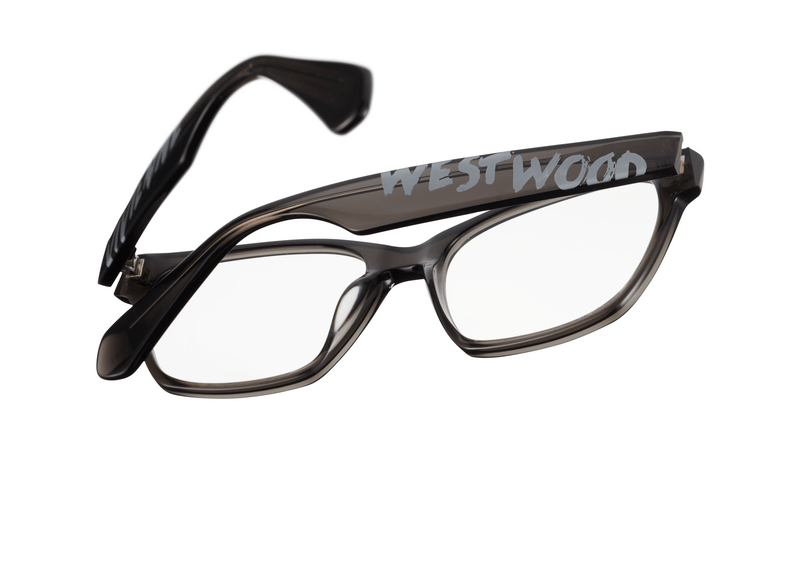
Some words here

More words here

Learn the basics

Here is some information on the anatomy of the eye

Skip past diagram
anatomy of the eye

1 of 9

  • Eye muscles

    Each eye has six main muscles that allow the eye to move in different directions. These eye muscles must function properly for you to see clearly and avoid double vision.

  • Sclera

    The sclera is the tough, white, fibrous outer layer of the eyeball that protects the eye and maintains its spherical shape.

  • Choroid

    The choroid is a part of the uvea, the middle layer of your eyeball's outer wall. It's a key supplier of blood to some of your eyes' most critical structures

  • Retina

    The retina is the light-sensitive tissue lining the back of the eye that converts light into electrical signals, which are then sent to the brain via the optic nerve to create images.

  • Optic nerve

    The optic nerve is a bundle of millions of nerve fibers that transmits visual information from the retina of each eye to the brain

  • Lens

    The lens of the eye is a transparent, biconvex structure located behind the iris and pupil that focuses light onto the retina, the light-sensitive layer at the back of the eye

  • Cornea

    The cornea is the eye's outermost, transparent, dome-shaped layer that protects the inner eye and focuses light onto the retina for clear vision. It performs the majority of the eye's focusing power and filters out damaging UV light from the sun.

  • Pupil

    The pupil is the round, black hole in the center of the iris (the colored part of your eye) that allows light to enter the eye and reach the retina. Its size is controlled by the muscles in the iris, which contract and expand to dilate (widen) the pupil in dim light to let more light in, and constrict (narrow) it in bright light to limit the amount of light entering the eye.

  • Optic nerve

    The optic nerve is a bundle of millions of nerve fibers that transmits visual information from the retina of each eye to the brain

We’re here to help

If you’ve noticed a change in your vision, or have experienced any symptoms mentioned above, it’s worth booking an appointment with one of our optometrists.